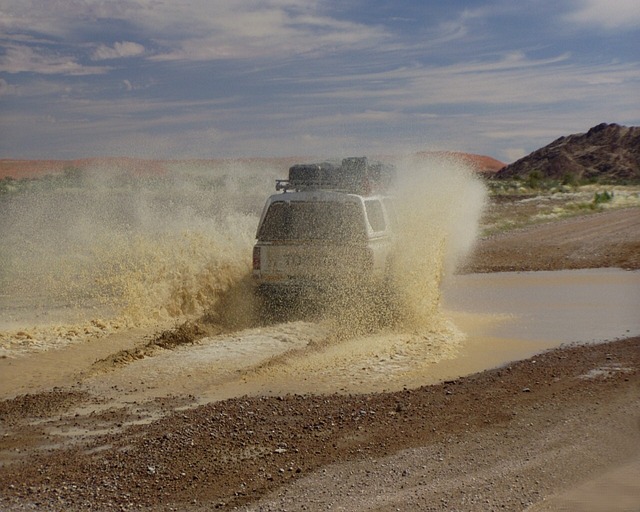
Discover how the right overland-4×4-accessories-rgv can transform your off-road experience, from improved traction with top-tier tires to enhanced safety and comfort. This article explores the critical role of off-road tires in navigating challenging terrain, highlighting key considerations for choosing the best options for your rig and adventures.
Unleashing Performance: The Importance of Off-Road Tires in Overland 4×4 Accessories RGV
In the rugged world of overlanding, where every trail is a challenge and every destination a reward, your vehicle’s capabilities are only as good as its tires. Overland-4×4-accessories-rgv, particularly high-quality off-road tires, are the unsung heroes that enable you to conquer unpaved roads, scale steep climbs, and safely navigate through treacherous mud, sand, and rock.
Why Off-Road Tires Matter
The demands of off-roading require specialized tread designs that provide:
- Enhanced Traction: Aggressive tread patterns grip uneven surfaces, allowing for better control and stability on loose dirt, rocks, and inclines.
- Improved Breakage Resistance: Sturdy construction withstands the rigors of rough terrain, preventing punctures and blowouts.
- Better Maneuverability: Optimized tread blocks and sidewall stiffness enable smoother cornering and tighter turning radii.
- Longer Lifespan: High-quality tires designed for off-roading withstand harsh conditions, ensuring lasting performance even after countless adventures.
Choosing the Right Off-Road Tire for Your RGV
Selecting the perfect off-road tire involves considering several factors:
1. Terrain and Purpose
Identify the primary types of terrain you’ll encounter during your overlanding trips:
- Mud: Deep mud requires tires with exceptional traction patterns and strong sidewalls to push through without getting stuck.
- Sand: Sand dune driving demands wide, knobby treads that provide maximum surface contact for better floatation.
- Rock and Stone: Aggressive treads with robust blocks offer protection against sharp objects while maintaining grip on irregular surfaces.
- Mixed Conditions: All-terrain tires are versatile options suitable for varied terrain, offering a balance of traction, durability, and comfort.
2. Tire Size and Fit
Ensure the tires you choose fit your RGV’s wheel arches and suspension system perfectly. Consult your vehicle’s owner manual or consult with an expert to determine the correct tire size and load rating.
3. Tread Design:
- Knobby vs. Smooth: Knobby treads offer superior traction on loose surfaces, while smoother patterns provide better highway handling and fuel efficiency.
- Tread Depth: Deeper treads offer more grip but wear down faster. Shallow treads have longer lifespan but less off-road performance.
4. Construction and Material
Look for tires with:
- Durable Casings: Reinforced casings protect against punctures and prolong tire life.
- High-Quality Rubber Compounds: Premium rubber compounds provide better grip, wear resistance, and temperature regulation.
5. Brand Reputation and Reviews:
Research reputable tire manufacturers known for producing high-performance off-road tires. Read customer reviews to gain insights into durability, performance, and reliability.
Top Overland 4×4 Accessories RGV Tire Brands
The market offers a wide array of off-road tire brands catering to diverse needs:
- BFGoodrich: Renowned for their All-Terrain T/A series, BFGoodrich tires offer exceptional traction and durability across various terrains.
- Nokian: Known for their innovative designs and superior grip in wet and muddy conditions, Nokian tires are a top choice for European overlanders.
- Mickey Thompson: Popular among enthusiasts, Mickey Thompson offers a range of high-performance off-road tires with aggressive tread patterns and robust construction.
- Bridgestone: Bridgestone Dueller series provides a balance of off-road performance and highway drivability.
Installation and Maintenance Tips
Proper installation and regular maintenance are crucial for getting the most from your new off-road tires:
- Wheel Alignment: Ensure proper wheel alignment to maximize tire contact with the road and prevent uneven wear.
- Pressurize Correctly: Check air pressure regularly and adjust according to the tire manufacturer’s recommendations.
- Inspect Regularly: Visually inspect tires for cuts, cracks, or bulges and address any issues promptly.
- Rotate Tires: Rotate your tires periodically to promote even wear patterns and maximize tread life.
FAQ
Q: How often should I replace my off-road tires?
A: The lifespan of off-road tires depends on various factors, including driving habits, terrain, and tire quality. Generally, expect to replace them every 40,000 to 60,000 miles, or according to the manufacturer’s guidelines.
Q: Do I need a different tire for winter off-roading?
A: Yes, consider using winter tires with deeper tread patterns and special compounds designed to grip icy and snowy surfaces. They offer significantly better traction in cold conditions compared to all-season or summer tires.
Q: Can I mix different brands and types of off-road tires on my RGV?
A: Mixing tire brands and types can lead to inconsistent handling and safety risks. It’s best to use identical tires of the same brand, model, and specification for all four wheels.
Conclusion
Choosing the right overland-4×4-accessories-rgv, especially high-quality off-road tires, is a critical investment for any overlander seeking to conquer uncharted territories with confidence. With careful consideration of your needs, terrain, and budget, you’ll be equipped to face whatever challenges lie ahead on your next off-road adventure.